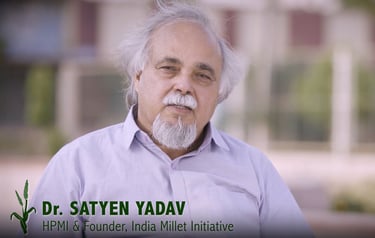
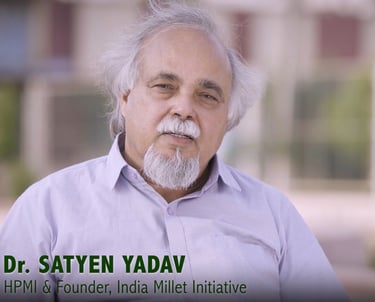
About Dr. Satyen Yadav
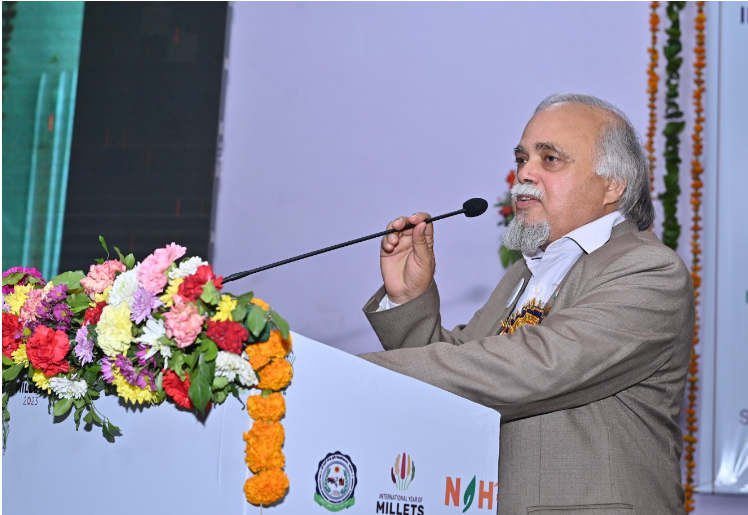
Dr. Satyen Yadav is an agribusiness professional with a strong academic and research background. Up to 1989, he contributed more than 50 publications in international journals and delivered 197 lectures at various national and international seminars and workshops. His topics include the commercialization of horticulture, pre‑ and post‑harvest management of potatoes and onions, export potential, and international marketing.
He has contributed significantly to commercial horticulture, with special emphasis on market access development. He has served on the boards of several companies and has been associated with many organizations in various capacities. Currently, he is the Head of the Horticulture Produce Management Institute, Director of One Life Foundation, Founder of the India Millet Initiative, and Founder Chairman of Indian Potatoes Limited.
Dr. Yadav has also played a key role in introducing new crops to India, such as quinoa and stevia, and has promoted innovative products based on the superfood concept. He has been actively involved in agribusiness, organic farming, and food processing projects in India and several other countries.
Dr. Satyen Yadav
Our Vision
Our Mission
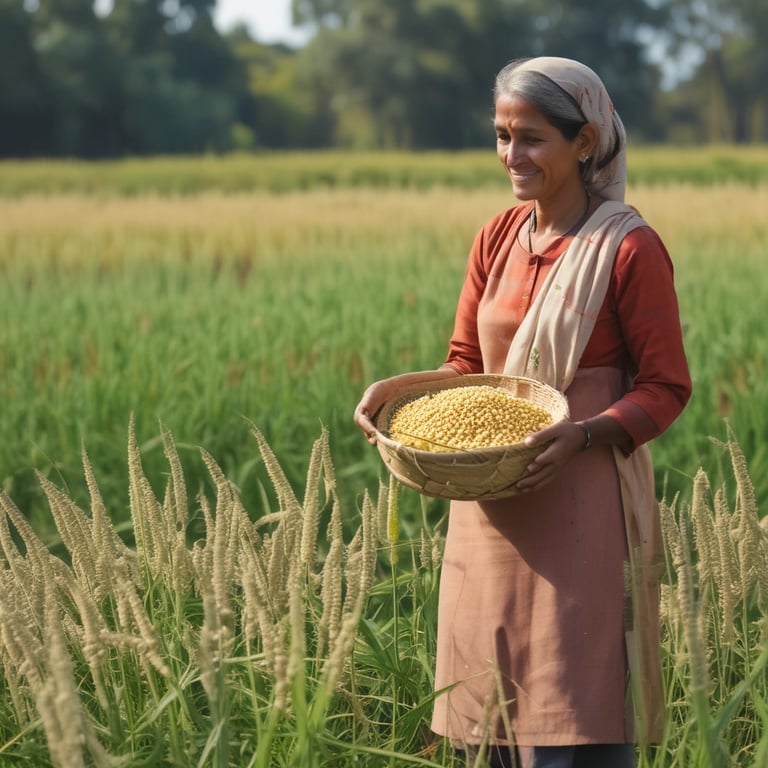
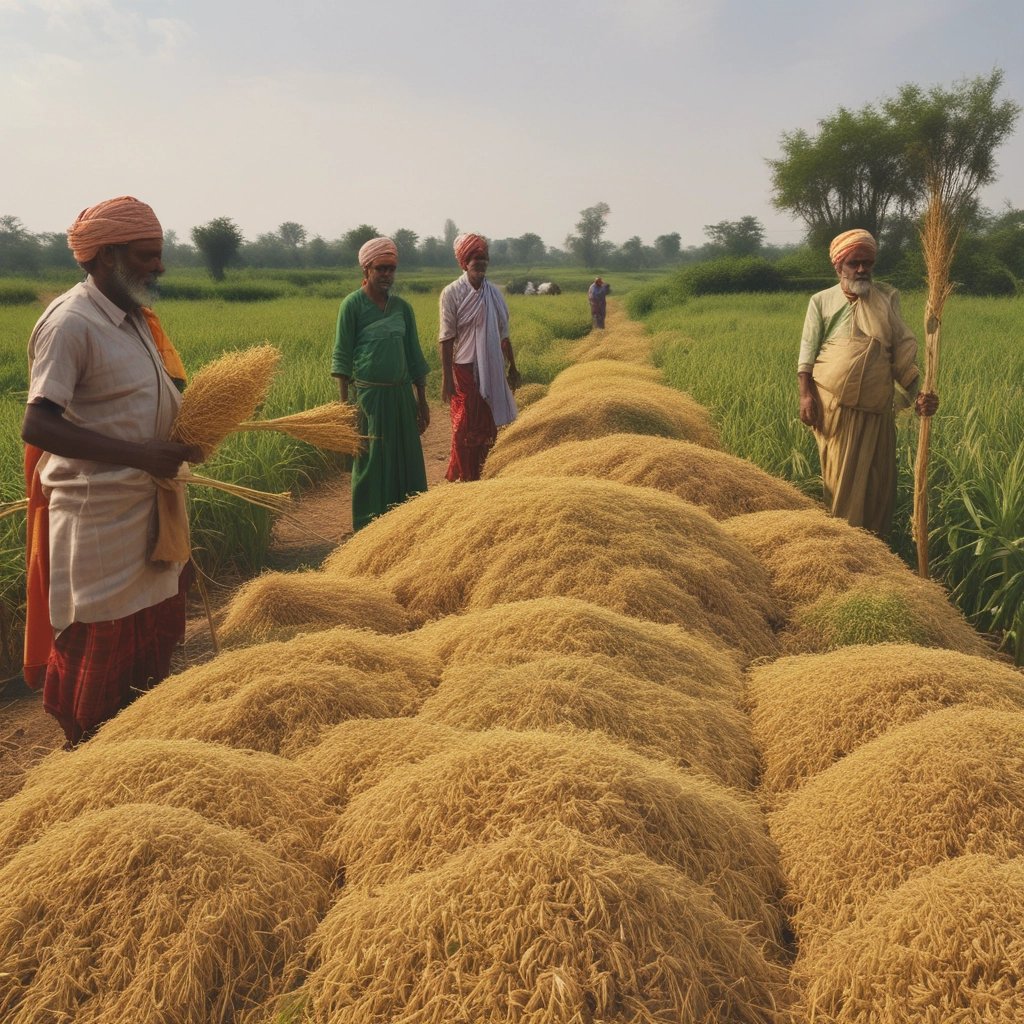
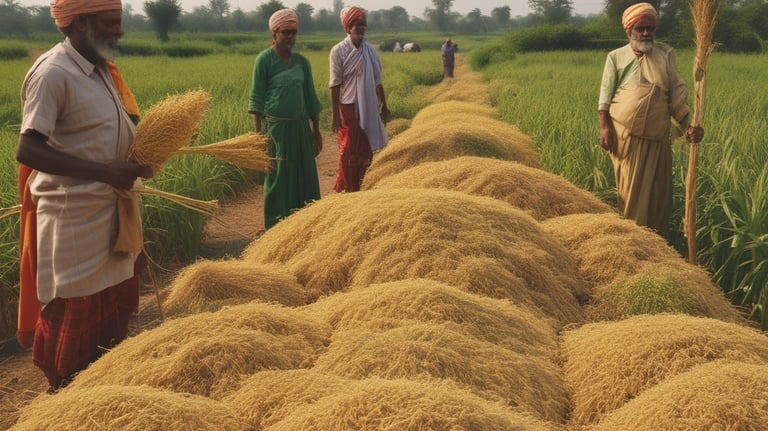
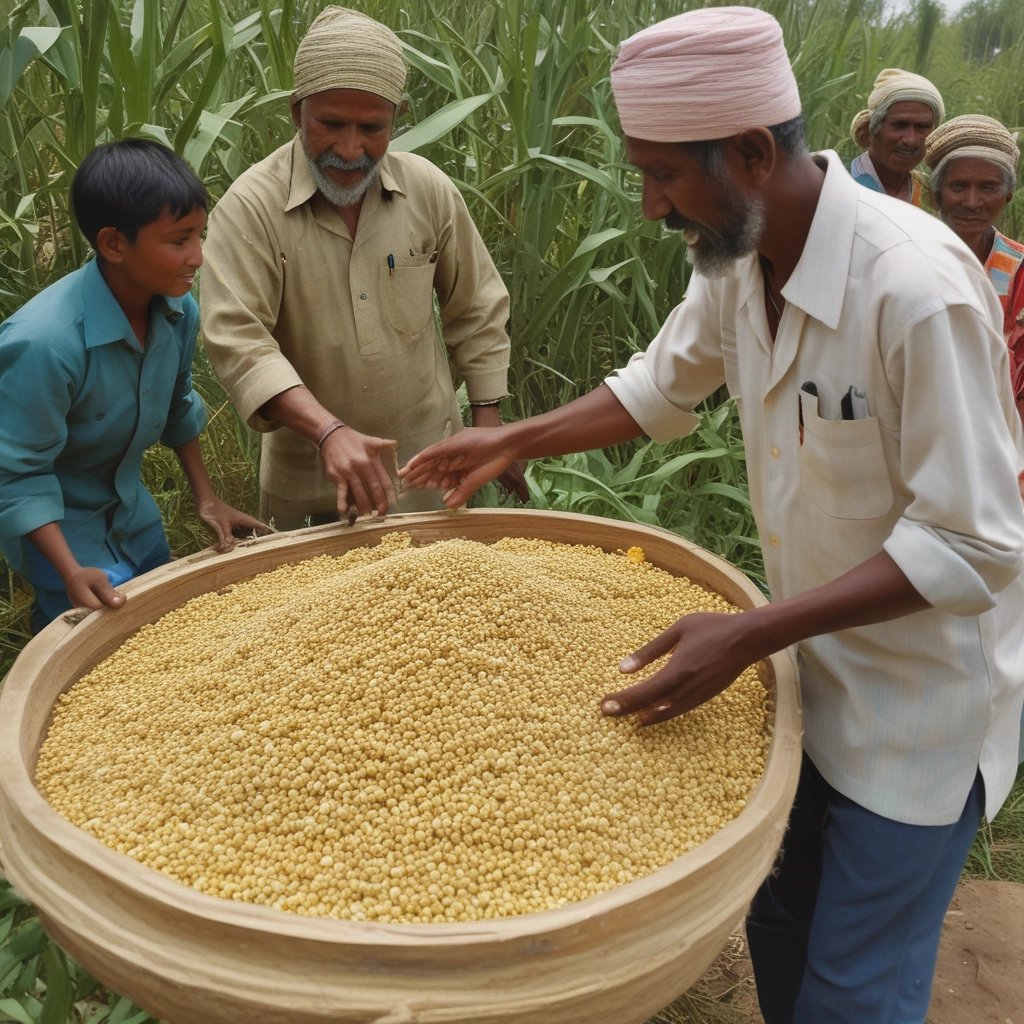
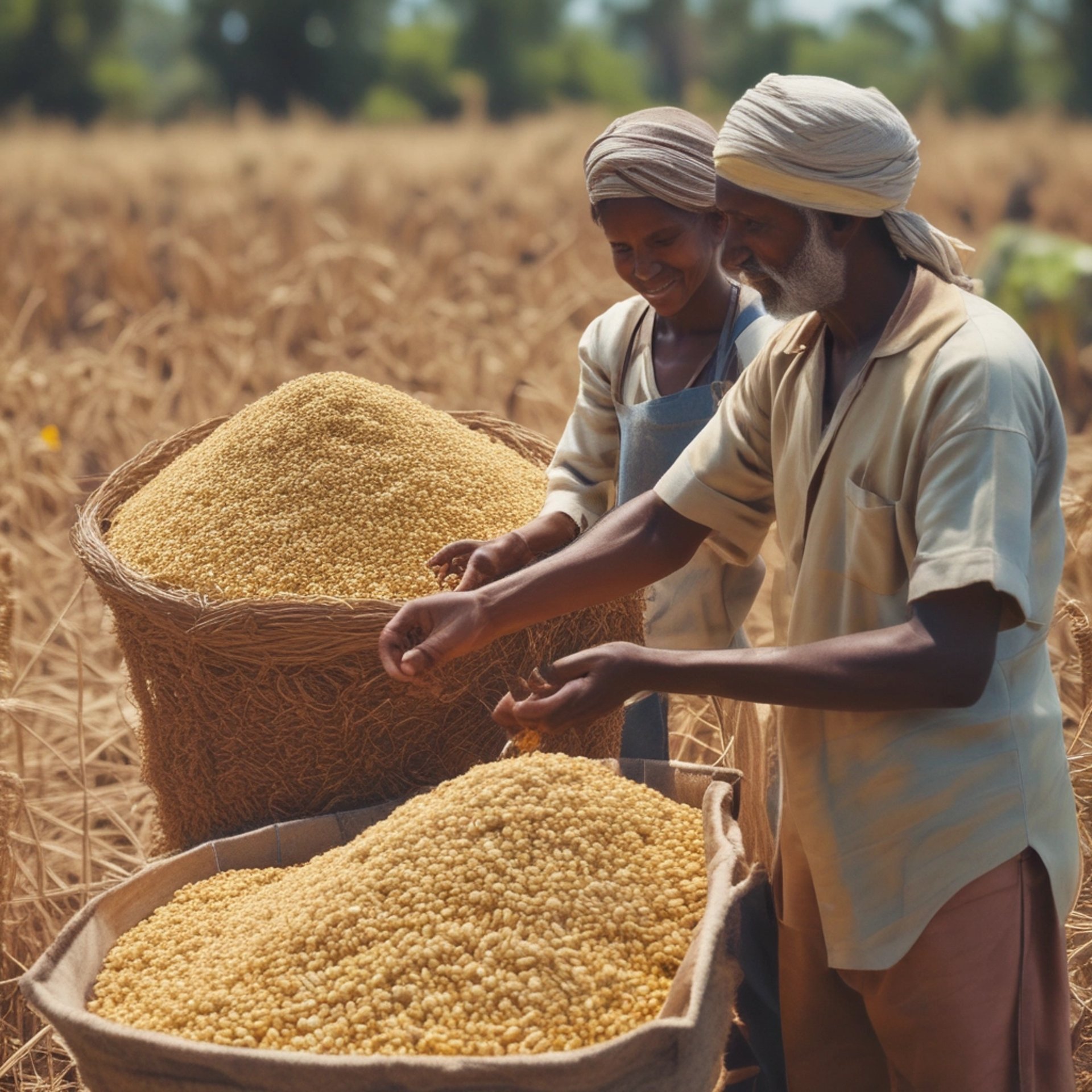
Our vision is to accelerate the production and promotion of millets in India, enabling populations to opt for healthier, millet‑based foods.
Our mission is to bring together the maximum number of farmers, processors, buyers, aggregators, and other stakeholders who believe in promoting millets and want to be part of the millet expansion program.
Our program strengthens millet producers, processors, and distributors by fostering an environment in which millet can thrive. We offer farmers a structured production program and guarantee the buyback of their harvest.
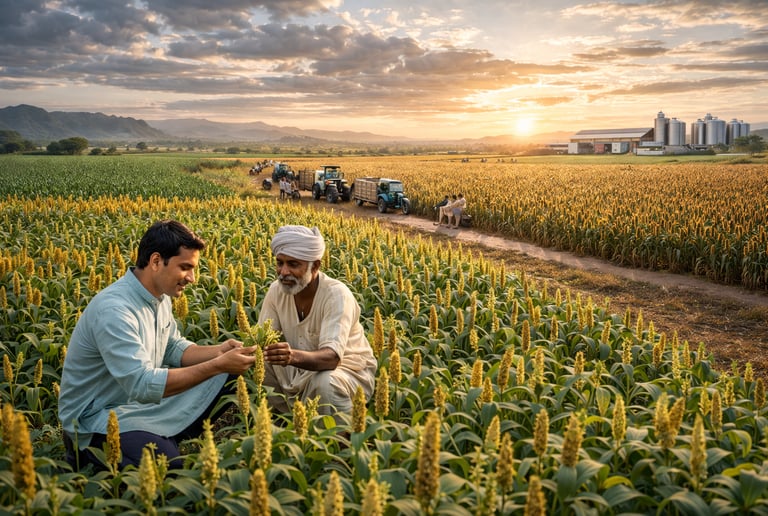
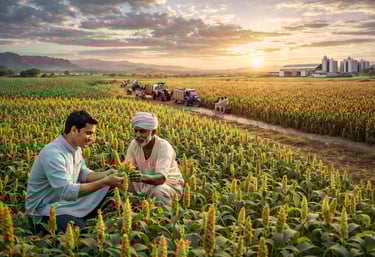
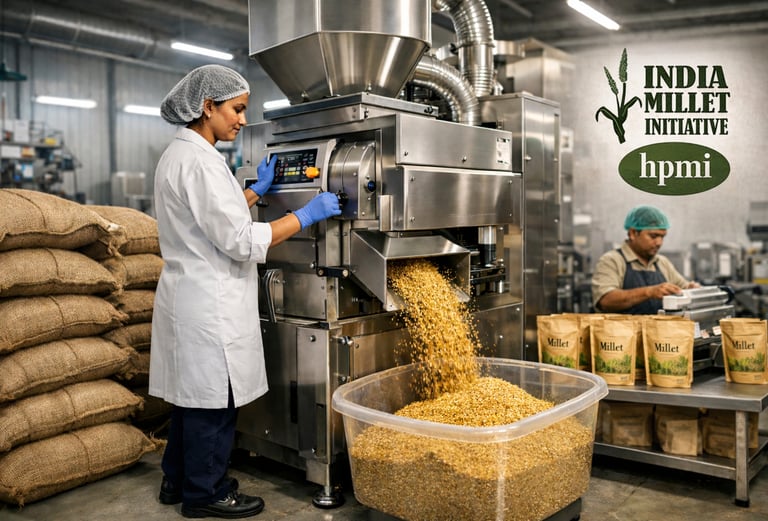
Millet Production, Procurement.
Millet, A Carbon Neutral Crop
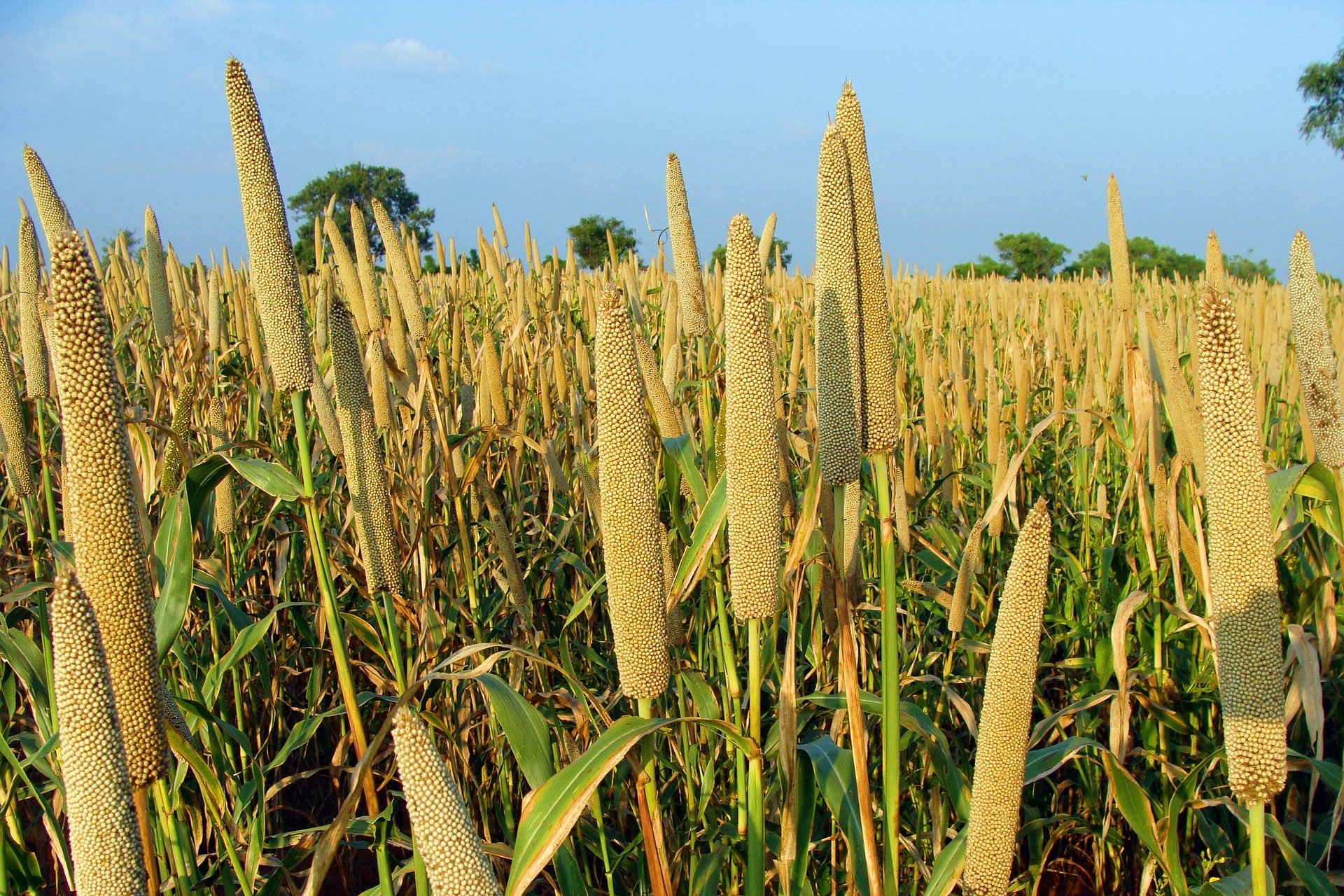
The India Millet Initiative is working to bring efficiency to the entire millet supply chain—improving production, processing, and distribution. We promote millets for several compelling reasons. Millet consumption is widely regarded as a healthy food choice. It helps reduce malnutrition, anemia, type 2 diabetes, obesity, certain types of cancers, and constipation.
We collaborate with producers, processors, and buyers and remain fully committed to the growth of the millet sector. As an organization, we strive to protect the interests of growers and enhance efficiency across the backward and forward supply chain by addressing challenges on both the supply and demand sides. We are actively pursuing innovative approaches to high‑quality seed varieties.
About India Millet Initiative
Save our health
Save Our Water
The protein, dietary fiber, iron, and calcium content in millets is 2–10 times higher than in staple cereals such as wheat and rice. Consuming millet‑based foods is therefore highly beneficial they are rich in nutrients and possess anti‑inflammatory and antioxidant properties.
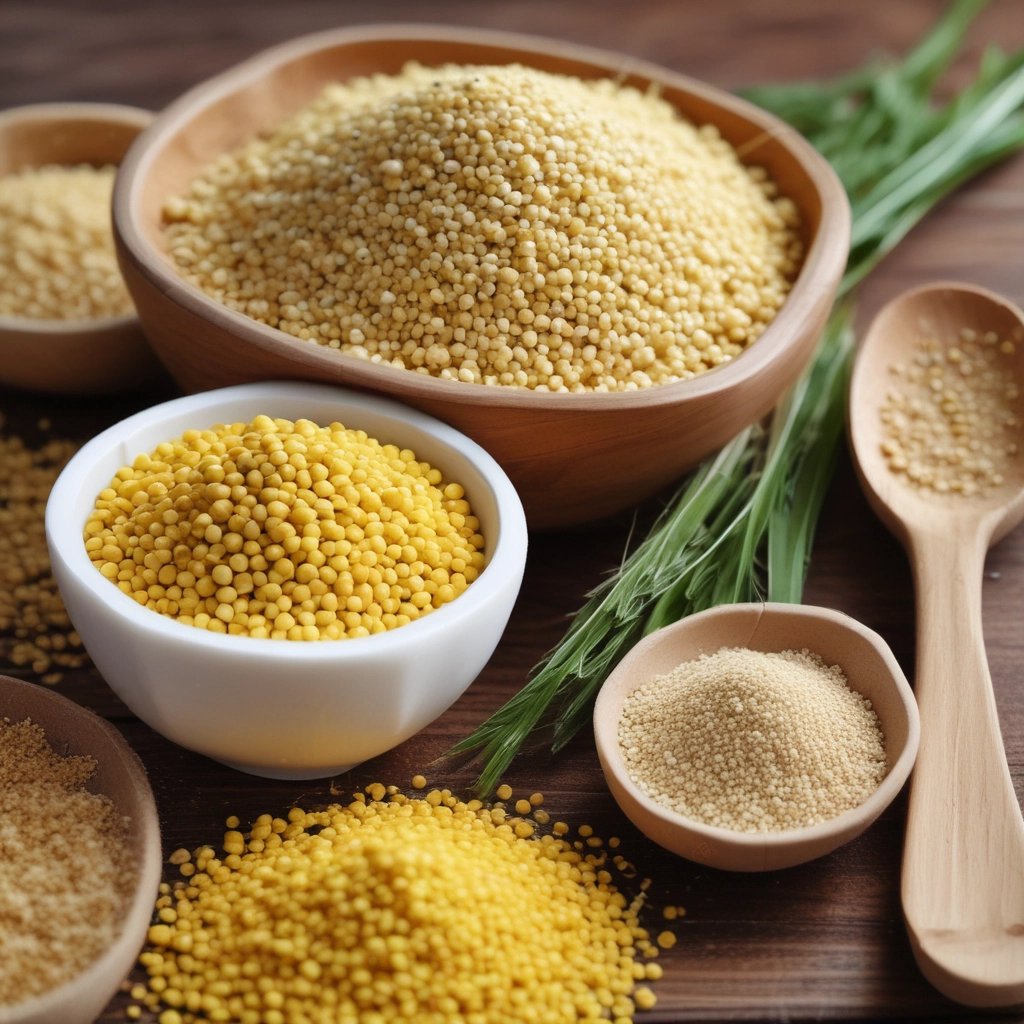
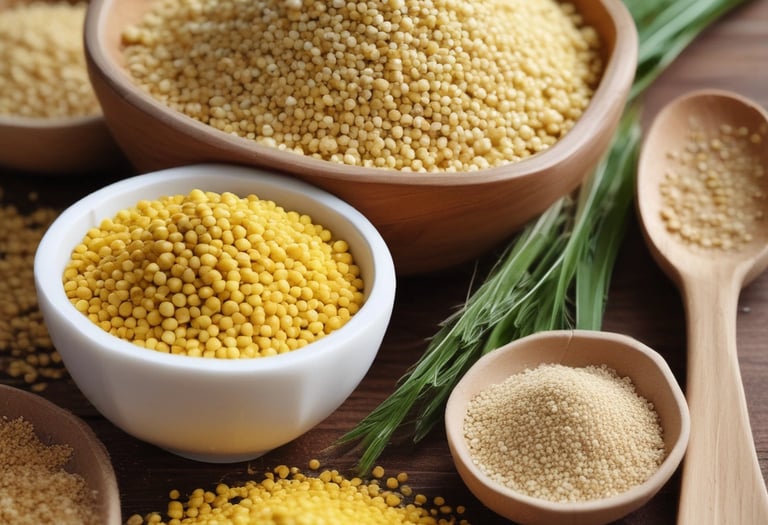
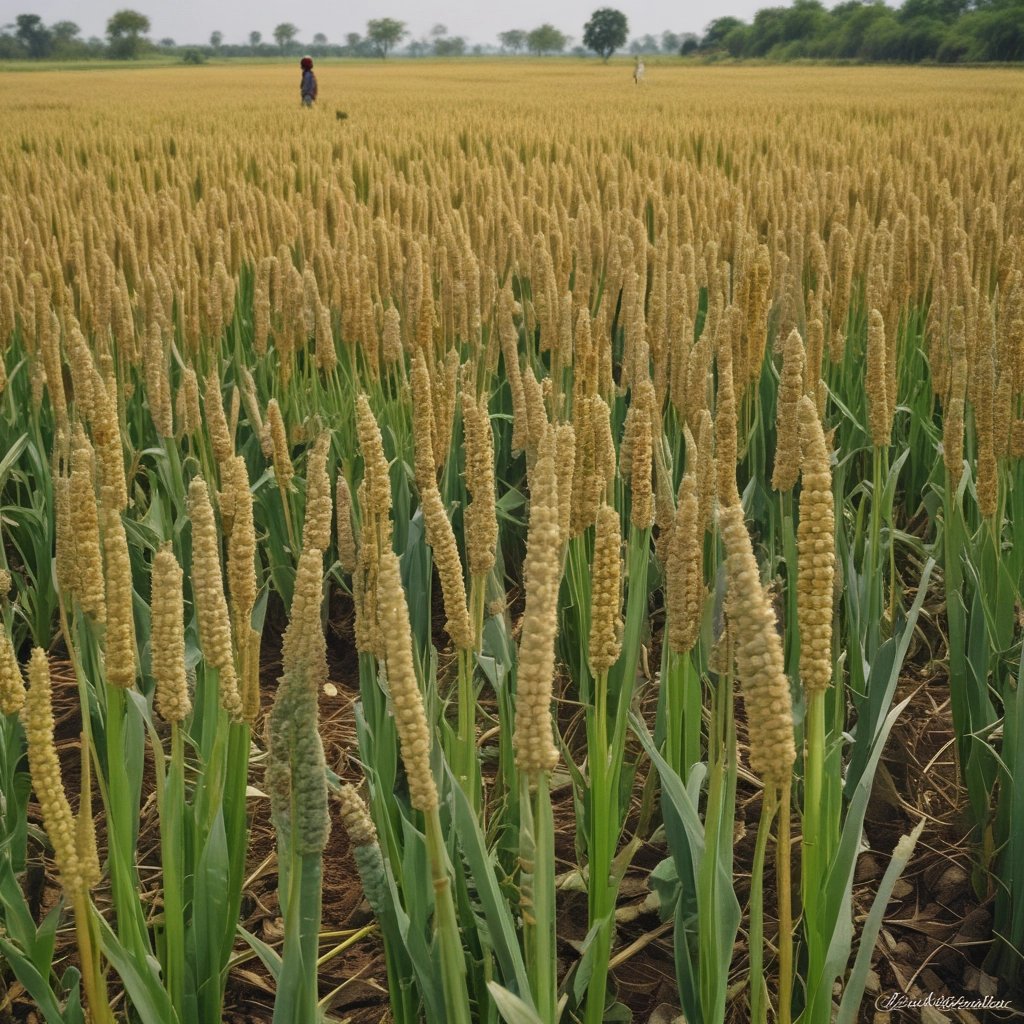
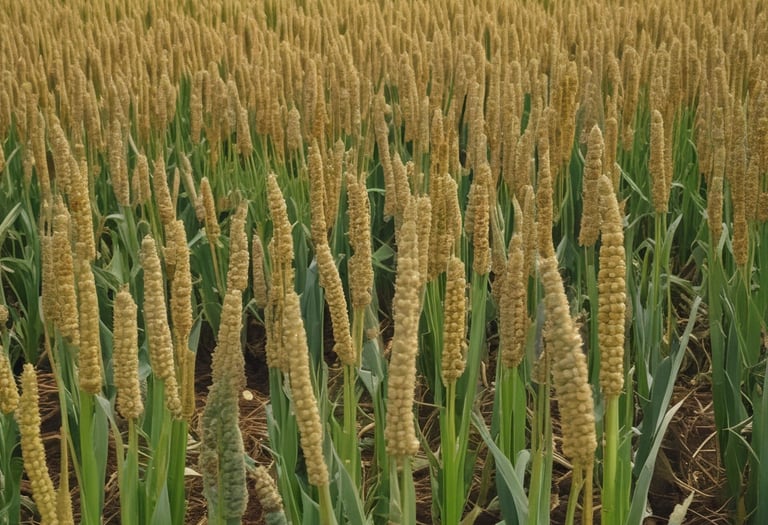
Millets are often the only crops that can grow in arid regions, requiring only 300–400 mm of water compared to 1400–1500 mm for rice cultivation and 1900–2000 mm for sugarcane.
Good for planet
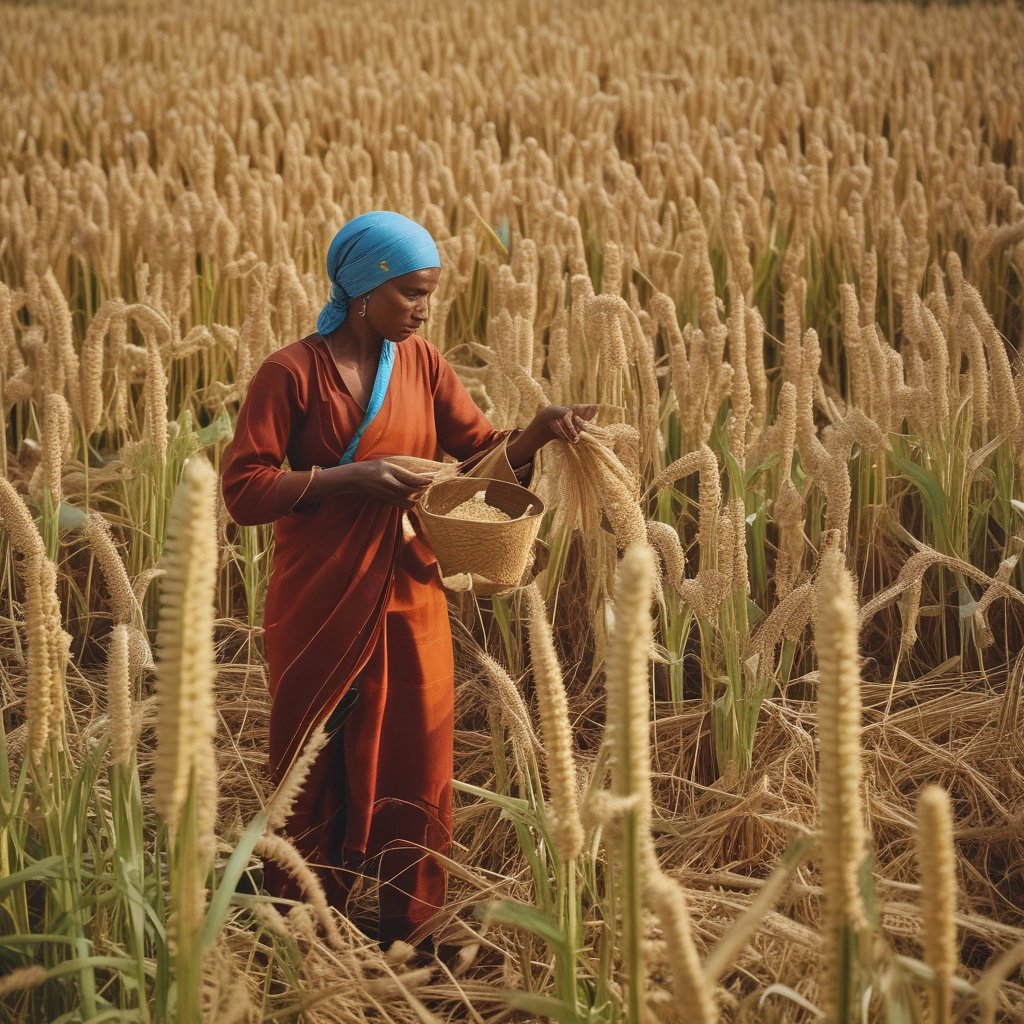
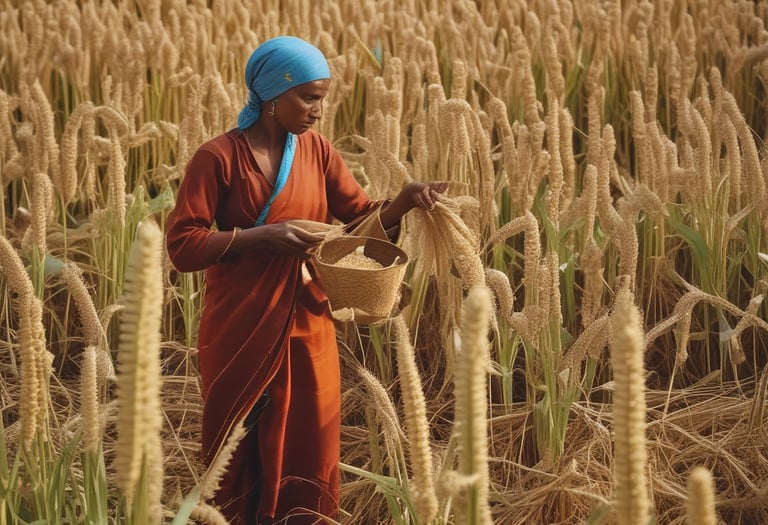
Millets are carbon‑neutral crops by virtue of absorbing carbon from the environment in amounts equivalent to their emissions. They have a carbon footprint of 0.1–0.2 CO₂eq kg per kg of production, compared to 0.4 CO₂eq kg per kg for rice and 0.35 CO₂eq kg per kg for wheat.
Good for farmer
Climate Resilience
Solve Malnutrition Problem
Millet is a short‑duration crop, maturing in just 60–90 days, compared to 100–140 days for fine cereals like rice and wheat. It efficiently utilizes available nutrients and responds well to improved farm conditions and additional inputs, resulting in yield increases of up to threefold.
Millets are among the hardiest and most resilient crops, thriving in harsh, hot (up to 64°C) and drought‑prone environments. They are often the last crops standing in drought seasons and represent a sustainable future food source amid worsening climatic conditions. Millets are also recognized as the most reliable crop for small farmers.
Wheat and rice alone will not be sufficient to achieve the Zero Hunger goal. Millets offer significantly higher nutritional value than rice and wheat, helping to meet the body’s need for essential nutrients. They release sugar very slowly compared to rice and wheat, meaning sugar enters the bloodstream long after eating—keeping you fuller for longer.
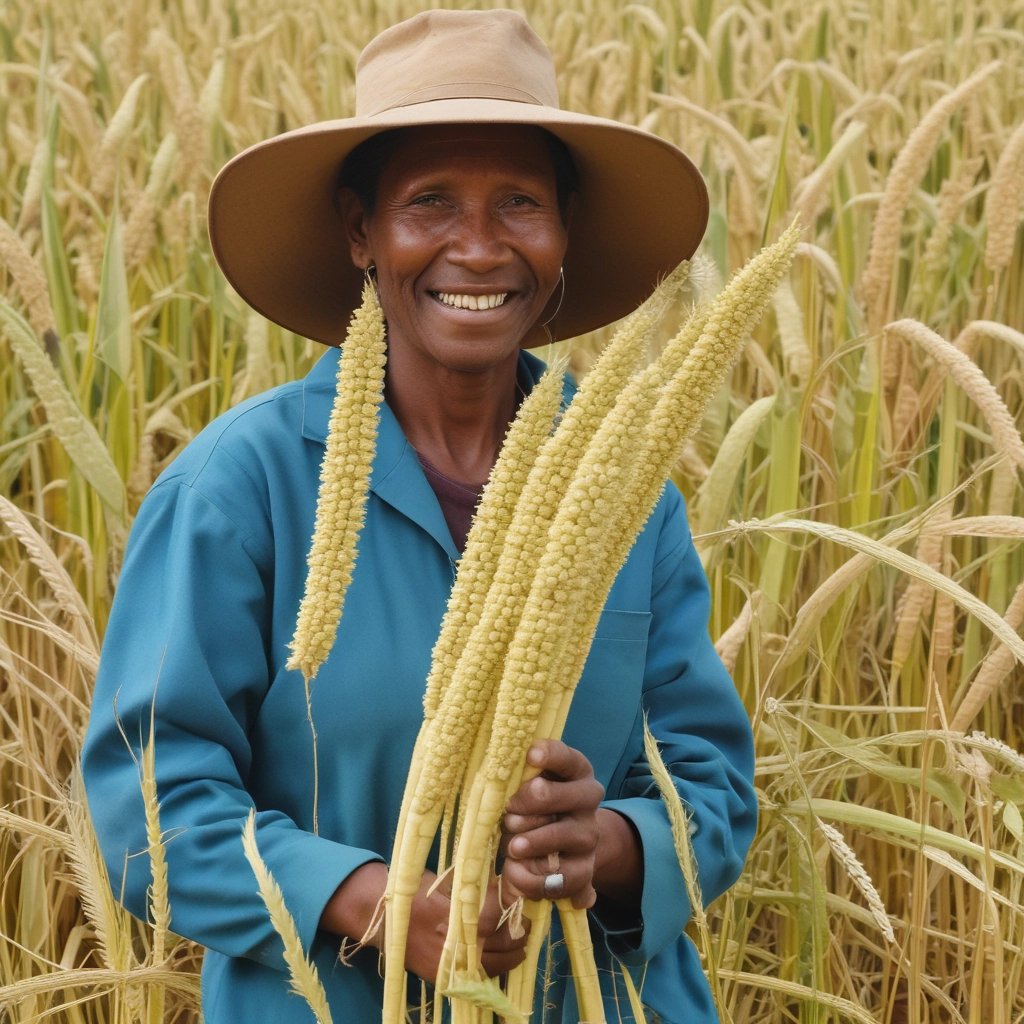
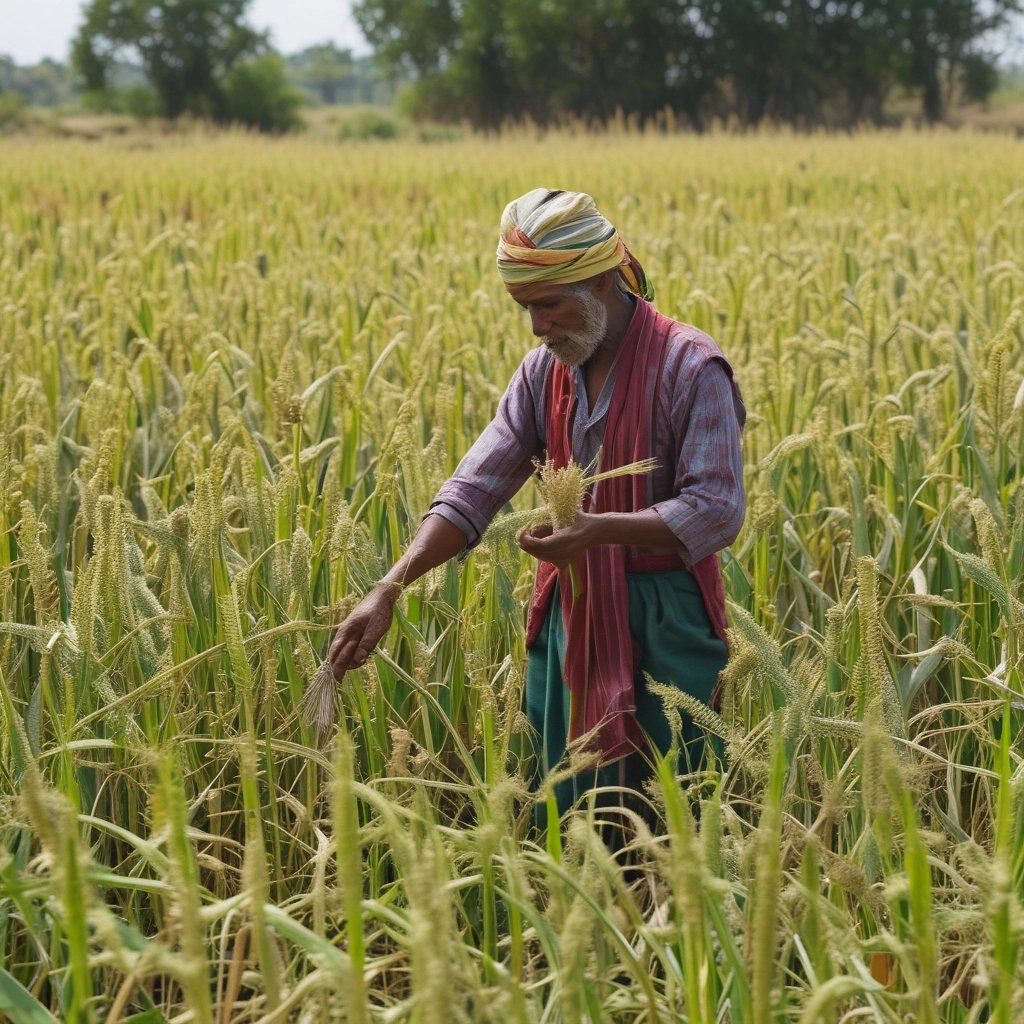
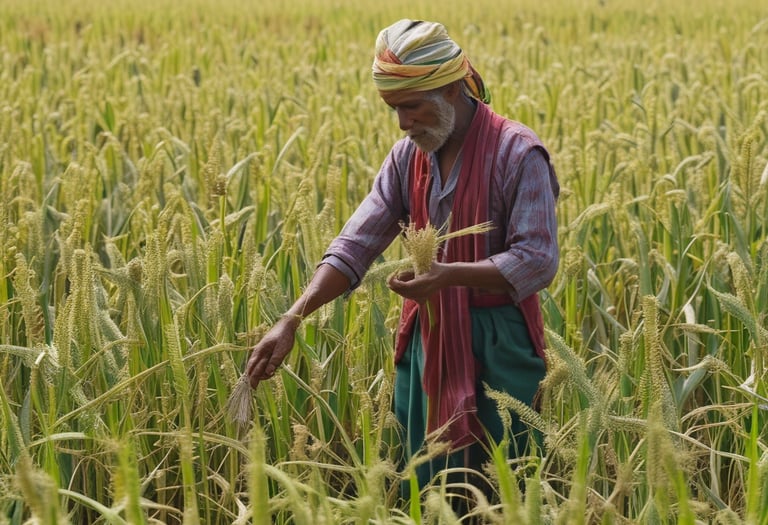
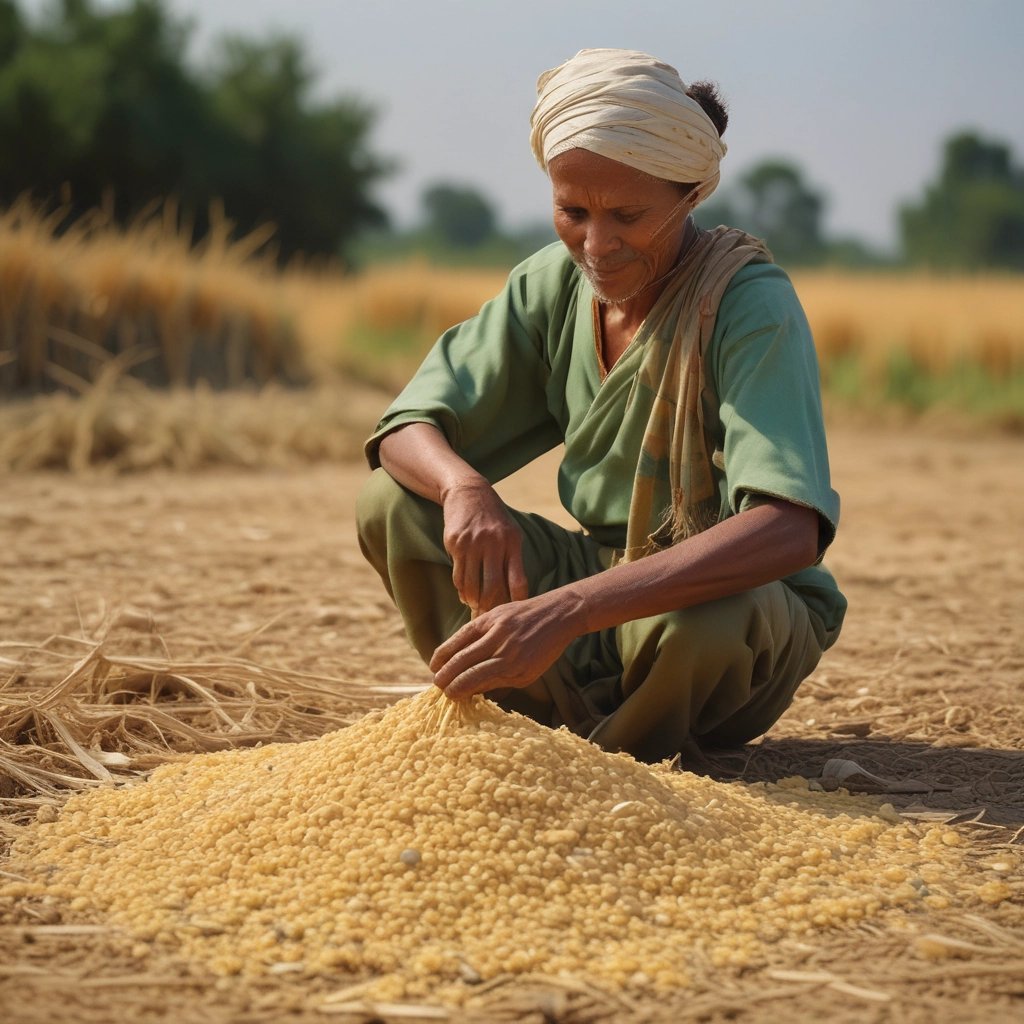
We are developing bio‑fortified pearl millet, finger millet, and other minor millets to create healthier, more nutritious food that addresses malnutrition. Our goal is to ensure consumers receive the best quality with rich nutritional value, while farmers get remunerative prices.
We promote transparency across a short, efficient value chain truly adopting a farm‑to‑energy model. This creates a win‑win situation for all stakeholders and value chain partners.
What We Are Good At
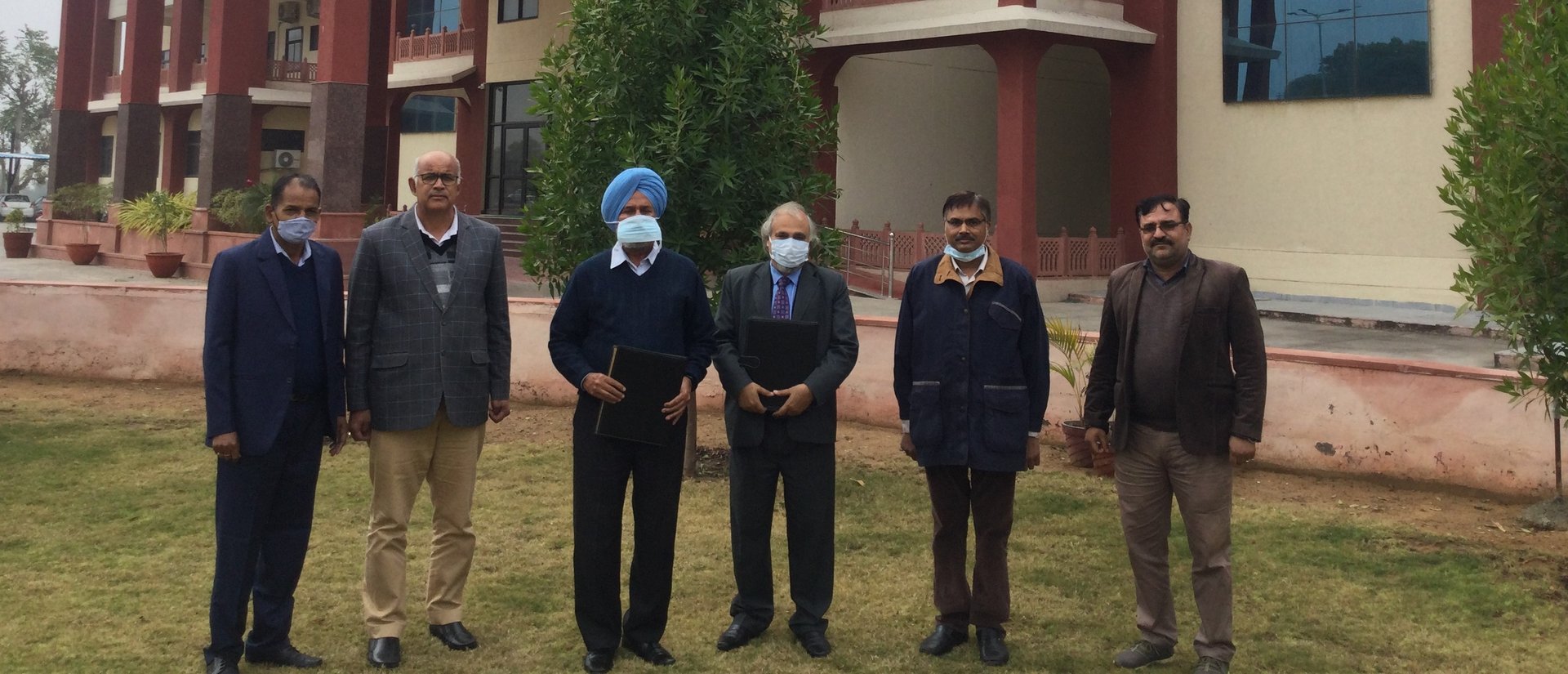
SKN Agriculture Uninersity
Jobner, Jaipur, Rajasthan
signed an MOU with ONE LIFE FOUNDATION, one of the key supporters of India Millet Initiative
Recent News
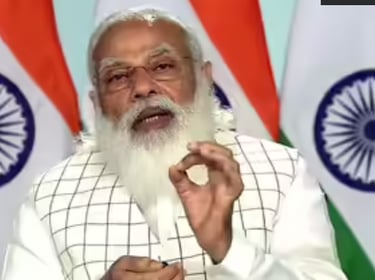
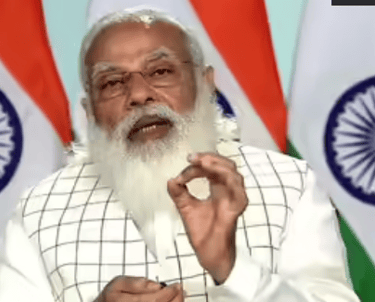
“Gratitude to all the nations who initiated and co-sponsored the resolution on International Year of millets at the UN”
02
MAR
Testimonial
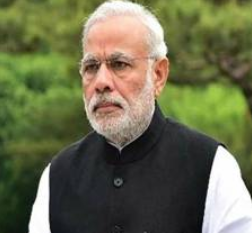
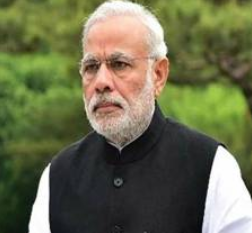
Shri. Narendra Modi,
Hon. Prime Minister of India
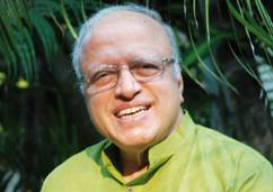
“Millet is rich in proteins and micronutrients like iron and vitamins. Therefore, from the zero-hunger point of view, there is a worldwide feeling that millet needs to be revived.”
MS Swaminathan,
Father of India's green revolution
Watch video of the Journey of Millet
04
FEB
01
FEB
Contact
Reach out for support or partnership
Phone
© 2025_26. All rights are reserved by India Millets Initiative
Address:
House No. 3, Gokul Row House, Opp. Midtown Elegance, Vishal Nagar, Pimple Nilakh, Pune 411027
Timings : 09:30am to 06:00pm